Navigating the Charlotte Tree Ordinance and Removal Laws: A Homeowner's Guide
Introduction: Understanding Charlotte's Tree Regulations for Homeowners
For homeowners in the Queen City, understanding the Charlotte Tree Ordinance and Removal Laws is crucial. These regulations are designed to protect and preserve Charlotte's vital urban canopy, a key component of the city's environmental health and aesthetic appeal. Navigating these laws can seem complex, but being informed helps ensure compliance and promotes responsible tree management on your property.
The Unified Development Ordinance (UDO): Charlotte's Foundation for Tree Protection
The City of Charlotte's commitment to its urban forest is primarily outlined in the Unified Development Ordinance (UDO). Implemented to streamline development regulations, the UDO incorporates comprehensive tree preservation requirements, particularly in Article 20: Landscape, Screening, & Tree Preservation. This article, along with Chapter 21 of the City Code of Ordinances, forms the backbone of tree protection within city limits. The UDO outlines various preservation requirements, including those for perimeter street trees, internal trees, green areas, and, significantly, heritage tree preservation.
Navigating the Charlotte Tree Ordinance and Removal Laws: Heritage and Specimen Trees Defined
Under Charlotte's tree ordinances, specific categories of trees receive enhanced protection. Two critical classifications for homeowners are "Heritage Trees" and "Specimen Trees." While the precise definitions within the UDO dictate their status, generally, these are mature trees of a certain size and species that contribute significantly to the urban forest. The removal of a healthy heritage tree, for example, often requires city approval and can incur significant mitigation fees, potentially upwards of $765, if other mitigation options are not pursued. This stringent approach underscores the city's dedication to its valuable tree assets, making professional consultation essential before any removal.
The Tree Removal Permit Process: Fees, Replacements, and Requirements
Removing a tree in Charlotte is not always as simple as cutting it down. Depending on the tree's classification, location, and health, a permit may be required. The City of Charlotte's Urban Forestry department oversees these permits. For heritage trees, even if diseased or damaged, documentation from a certified arborist justifying removal is typically necessary. Violations of the tree ordinance can lead to civil penalties. Homeowners often inquire, "Do I need a permit for tree removal?" The answer is often yes, especially for trees above a certain size or designated as protected. An experienced tree care service, such as Clark's Tree Care, can help homeowners determine permit needs and assist with the application process.
Why Tree Ordinances Matter: Preserving Charlotte's Urban Canopy and Environment
The stringent tree ordinances in Charlotte serve a greater purpose than just protecting individual trees; they safeguard the entire urban canopy. Trees provide numerous environmental benefits, including improved air quality, reduced stormwater runoff, energy savings through shade, and enhanced property values. The collective effort to protect these trees contributes to Charlotte's status as a green and livable city. Preserving this urban forest requires ongoing effort and adherence to regulations, which ultimately benefits all residents.
Beyond City Limits: North Carolina's Broader Tree Removal Regulations
While Charlotte has its specific ordinances, it's also important to acknowledge that broader North Carolina laws can influence tree removal. For homeowners residing just outside Charlotte's municipal boundaries in Mecklenburg County or other nearby areas, understanding local county regulations is equally important. State laws may also dictate certain practices, particularly regarding utility line clearance or protected species. Always verify local and state requirements before proceeding with any significant tree work, as regulations can vary significantly from one jurisdiction to another.
Expert Guidance: The Value of a Certified Arborist for Compliance and Care
Given the complexities of the Charlotte Tree Ordinance and Removal Laws, engaging a certified arborist or a reputable tree care company is invaluable. These professionals possess the expertise to:
- Accurately identify tree species and health.
- Determine if a tree falls under special protection (e.g., heritage or specimen).
- Navigate the permit application process.
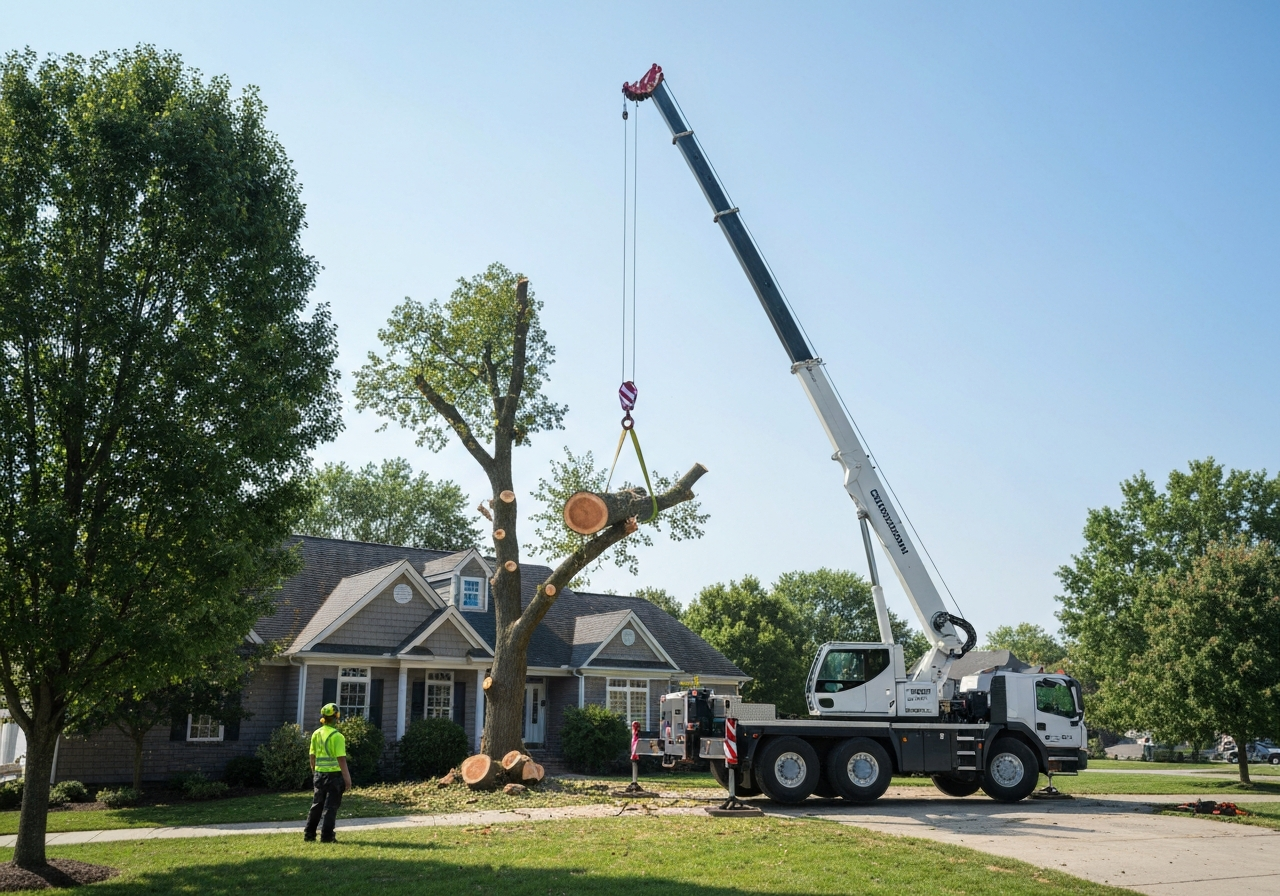
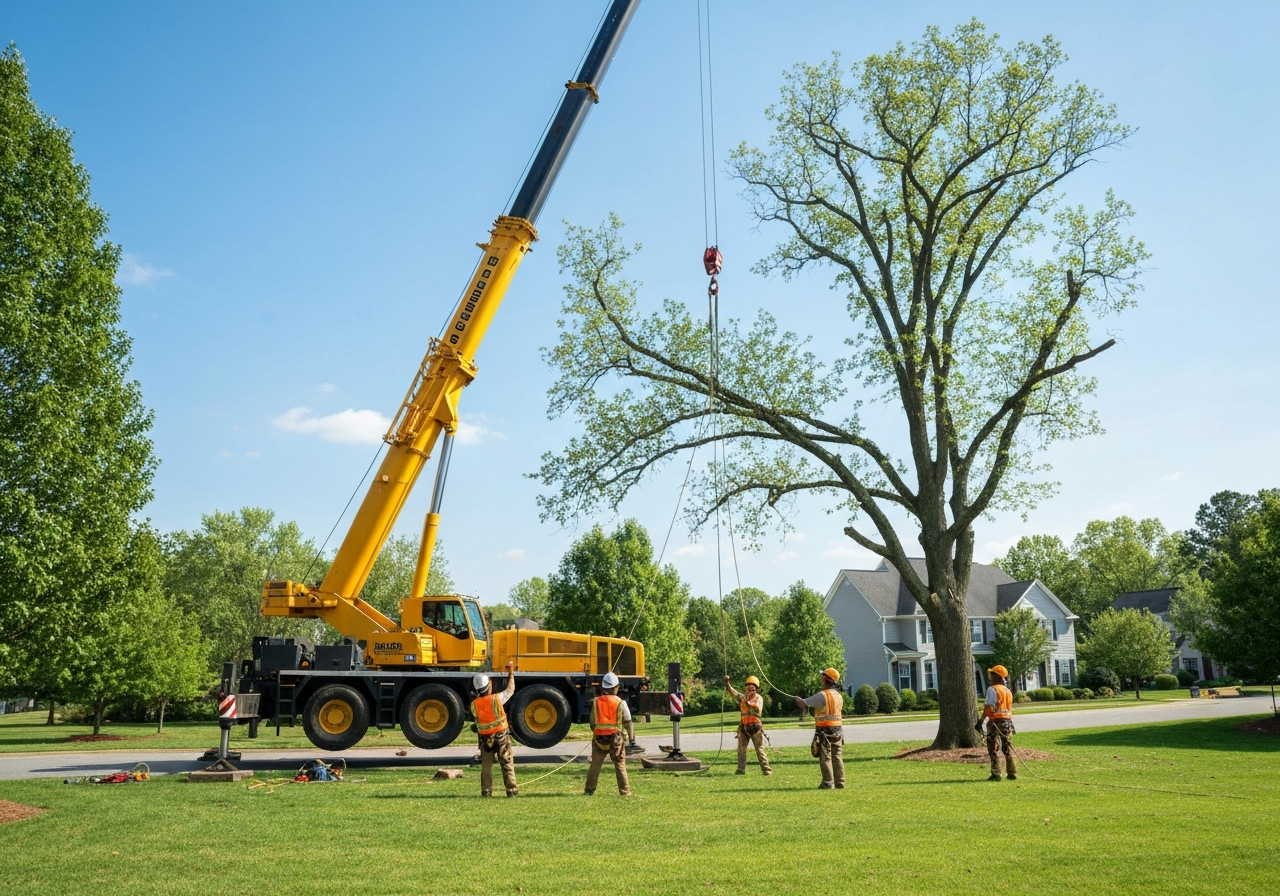
- Perform tree removal safely and efficiently, especially for large or hazardous trees, even employing crane services when necessary to minimize property impact.
- Advise on proper tree care and pruning to maintain tree health and compliance.
An ISA-certified arborist, recommended by organizations like TreesCharlotte, ensures that tree work is performed according to industry best practices and local regulations, providing homeowners with peace of mind.
Partnering with Clark's Tree Care for Responsible Tree Management
Adhering to Charlotte's tree regulations is a critical aspect of responsible property ownership. For homeowners in Charlotte and the surrounding areas, Clark's Tree Care LLC offers comprehensive tree services, from professional tree removal to stump grinding. Our team is equipped to handle everything from routine maintenance to complex removals, ensuring your property remains safe and compliant with local ordinances. We understand the nuances of the local regulations and are committed to providing expert care for your trees while protecting Charlotte's valuable urban canopy.
Frequently Asked Questions (FAQs) About Charlotte Tree Ordinances
Q: What is the Unified Development Ordinance (UDO) regarding trees?
A: The UDO is Charlotte's comprehensive set of regulations for development, including Article 20, which outlines specific requirements for tree preservation, landscaping, and screening to protect the city's urban forest.
Q: What is a Heritage Tree in Charlotte?
A: Heritage Trees are specific trees identified by the city, often due to their size, age, or species, that receive enhanced protection under the Charlotte Tree Ordinance. Removal of a healthy heritage tree typically requires city approval and mitigation.
Q: Do I always need a permit to remove a tree on my property in Charlotte?
A: Not always, but often. Permit requirements depend on factors like the tree's size, species, health, and whether it's classified as a heritage tree or located within a protected area. It's always best to consult with a professional tree service or the City's Urban Forestry division.
Q: What happens if I remove a protected tree without a permit?
A: Removing a protected tree without the necessary permit can result in civil penalties and fines imposed by the City of Charlotte, in addition to potential requirements for tree replacement or mitigation payments.