Expert Tree Care Tips for Homeowners: Your Guide to a Healthier Yard with Clark's Tree Care LLC
Welcome Homeowners: Elevate Your Yard with Expert Tree Care
Maintaining a healthy and vibrant landscape is a source of pride for many homeowners. Trees are central to this, offering beauty, shade, and even increasing property value. Understanding effective tree care tips for homeowners is crucial for nurturing these long-term investments. From young saplings to mature giants, each tree on your property contributes to the overall aesthetic and ecological balance of your yard. Proactive and informed tree care helps prevent common issues, enhances tree longevity, and ensures your outdoor space remains a thriving environment.
Essential Tree Care Tips for Homeowners: Nurturing Your Landscape
Proper tree care begins with consistent attention to fundamental needs. Regular inspections are your first line of defense. Take time each month to walk your property, carefully observing your trees for any changes. Look for discoloration or wilting leaves, unusual growths on the bark, or signs of insect activity. Early detection of issues like pest infestations or diseases can often lead to simpler and more effective treatments. The Rural Mom guide to tree care emphasizes that even small changes can indicate underlying stress, making timely intervention essential. Beyond visual checks, understanding appropriate watering and mulching techniques forms the bedrock of a robust tree care routine, preparing your landscape for various challenges, including unpredictable weather and seasonal shifts.
The Art of Pruning: Keeping Your Trees Healthy and Beautiful
Pruning is a vital practice for tree health, safety, and appearance, but it's an art that requires understanding. Many homeowners believe trees need annual pruning, but this isn't always the case, especially for mature trees. Over-pruning can lead to weak, excessive growth. Instead, focus on selective removal, following what arborists call "The Four D's": remove branches that are Dead, Diseased, Damaged, or Deranged (crossing and rubbing). The dormant season, typically late winter or early spring, is often the best time for pruning most deciduous trees, as it minimizes stress and encourages vigorous new growth. However, broken or hazardous branches should be removed immediately, regardless of the season. Always use clean, sharp tools, and make precise cuts just outside the branch collar to promote proper wound closure. Avoid the destructive practice of "topping" trees, which involves indiscriminately cutting back large branches to stubs. This weakens the tree, makes it prone to disease, and leads to poorly attached, hazardous new growth. As detailed by Portland.gov's tree care resources, topping is strongly discouraged and can lead to significant long-term damage.
Common Pruning Mistakes to Avoid:
- Over-Pruning: Removing more than 25% of a tree's canopy in a single season can severely stress the tree.
- Leaving Stubs: Cuts made too far from the branch collar don't heal properly and invite pests and disease.
- Flush Cuts: Cutting too close to the trunk removes the protective branch collar, hindering the tree's natural healing process.
- Using Dull or Dirty Tools: This can tear bark and spread pathogens between trees.
- Pruning without a Clear Goal: Every cut should have a purpose, whether for health, safety, or structural integrity.
Watering & Mulching: Foundation for Strong Tree Growth
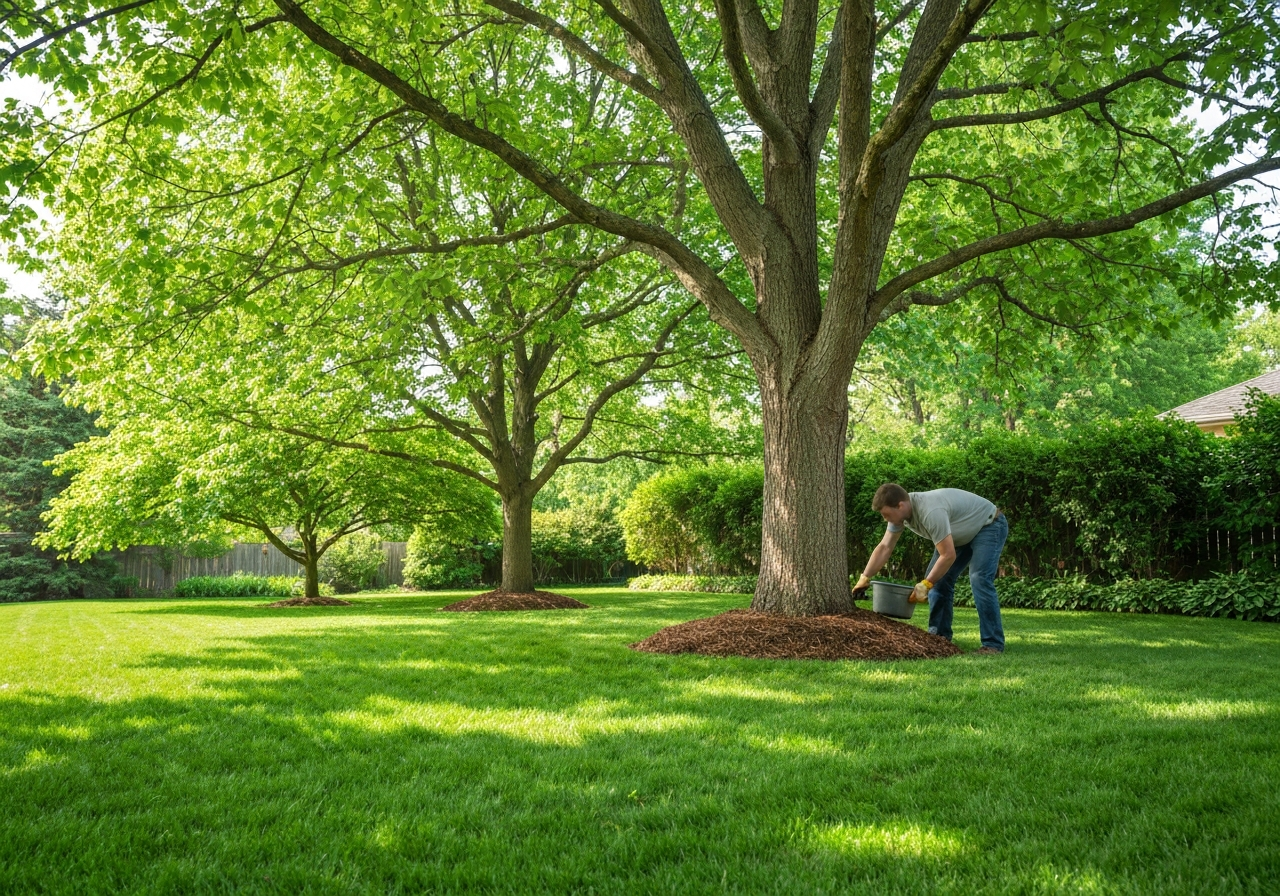
Consistent moisture and proper ground cover are fundamental to robust tree development. Newly planted trees, especially, require dedicated watering for the first few years to establish a strong root system. The key is to water deeply and infrequently, encouraging roots to grow downwards rather than staying near the surface. For young trees, aim for 15-25 gallons of water per week during dry periods for the first 3-5 years. A good rule of thumb, as highlighted by Iowa State Extension, is to check the soil moisture of the original root ball and only water when it feels dry a couple of inches down. Overwatering can be as harmful as underwatering, leading to root rot. Creating a small soil reservoir around the tree's drip line helps ensure water penetrates the root zone. Mulching is another indispensable practice. Apply a 2-4 inch layer of organic mulch (like wood chips or shredded bark) around the base of the tree, keeping it several inches away from the trunk. This "donut" approach, rather than a "volcano" pile against the trunk, retains soil moisture, regulates soil temperature, suppresses weeds, and prevents mechanical damage from mowers and trimmers. The Morton Arboretum provides excellent resources on correct mulching techniques, emphasizing its role in mimicking a natural forest floor.
Spotting Trouble: Recognizing Common Tree Pests and Diseases
Even with the best care, trees can fall victim to pests and diseases. Early identification is paramount for effective treatment. Keep an eye out for visible insects like aphids, borers, or scale insects, which can leave sticky residues, boreholes, or waxy bumps. Leaf discoloration, such as yellowing (chlorosis), browning, or unusual spots, often signals nutrient deficiencies, fungal infections, or environmental stress. Changes in bark, like peeling (which can be natural for some species but a sign of trouble for others), cankers, or dark oozing, also warrant investigation. Fungal diseases, like powdery mildew or leaf spot, thrive in moist conditions, while bacterial infections often enter through wounds. If you notice severe dieback, structural instability, or widespread infection, it's best to consult a certified arborist who can accurately diagnose the problem and recommend appropriate treatments. The Minnesota DNR website offers information on common tree diseases and pests, underscoring the importance of vigilance.
Beyond DIY: When to Call Professional Tree Care Experts
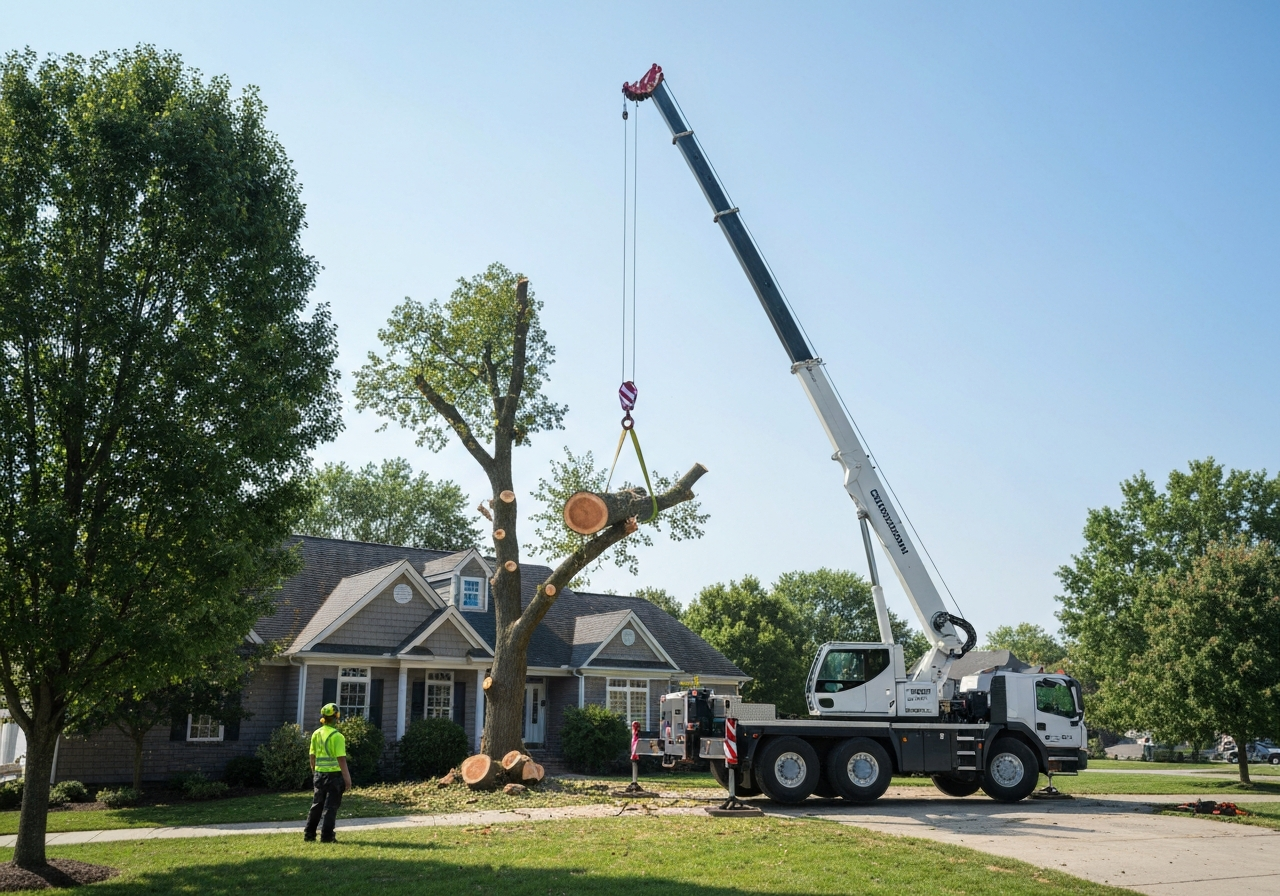
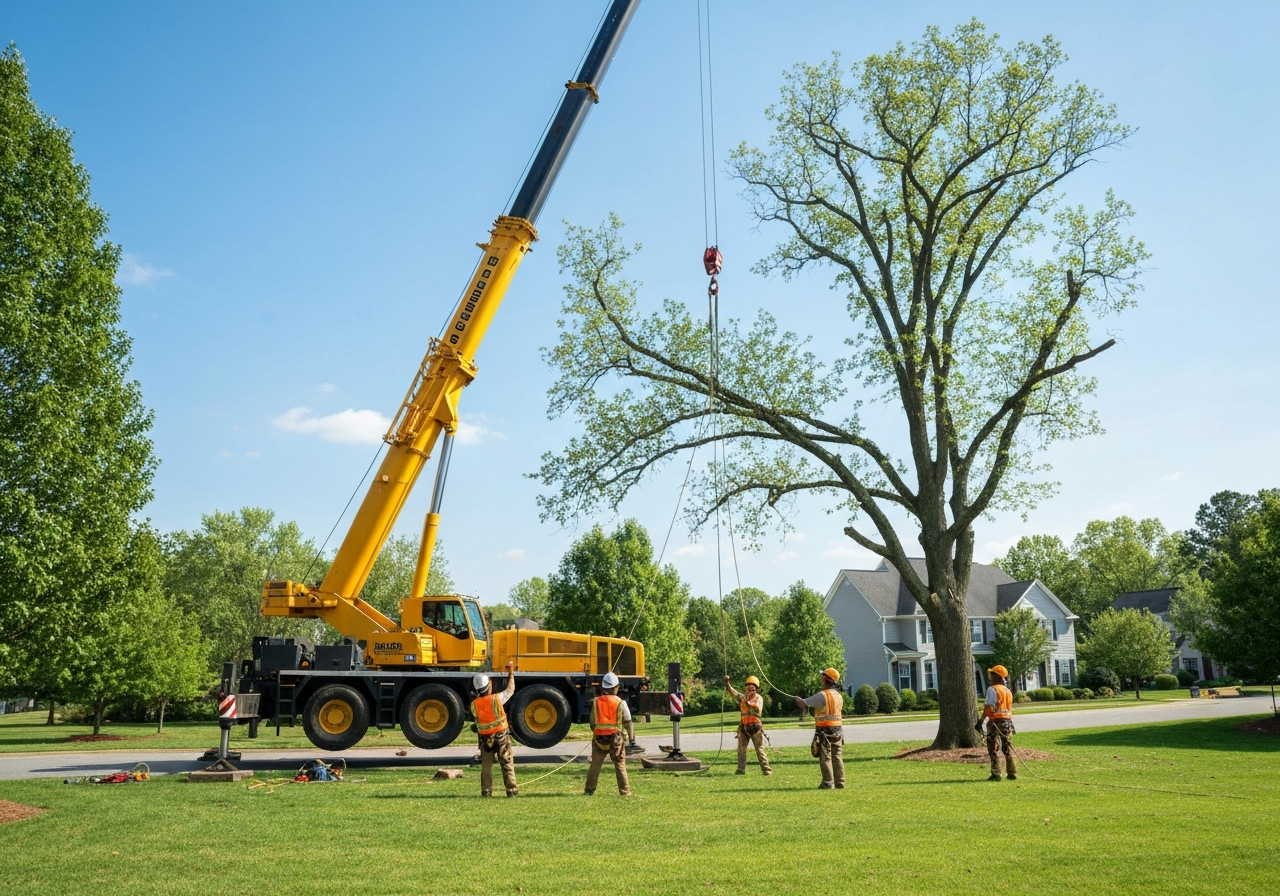
While many basic tree care tasks can be handled by homeowners, certain situations necessitate the expertise of certified professionals. Tree work involving large branches, significant height, or proximity to power lines or structures is inherently dangerous and should always be left to trained arborists. Attempting complex pruning or tree removal yourself can lead to severe injury, extensive property damage, and potential liability issues. A professional tree service like Clark's Tree Care LLC possesses the specialized equipment, training, and insurance to perform such jobs safely and efficiently. Moreover, arborists are skilled in diagnosing complex tree health issues, identifying pests and diseases, and providing tailored treatment plans. They understand tree biology and can ensure that any intervention, from pruning to pest control, is done in a way that promotes the tree's long-term health, rather than causing unintended harm. When choosing a professional, look for certifications from organizations like the International Society of Arboriculture (ISA) and always request proof of insurance and references, as advised by Extension.umn.edu's guide on hiring tree care professionals.
Why Choose Clark's Tree Care LLC: Your Local Partner for a Healthier Yard
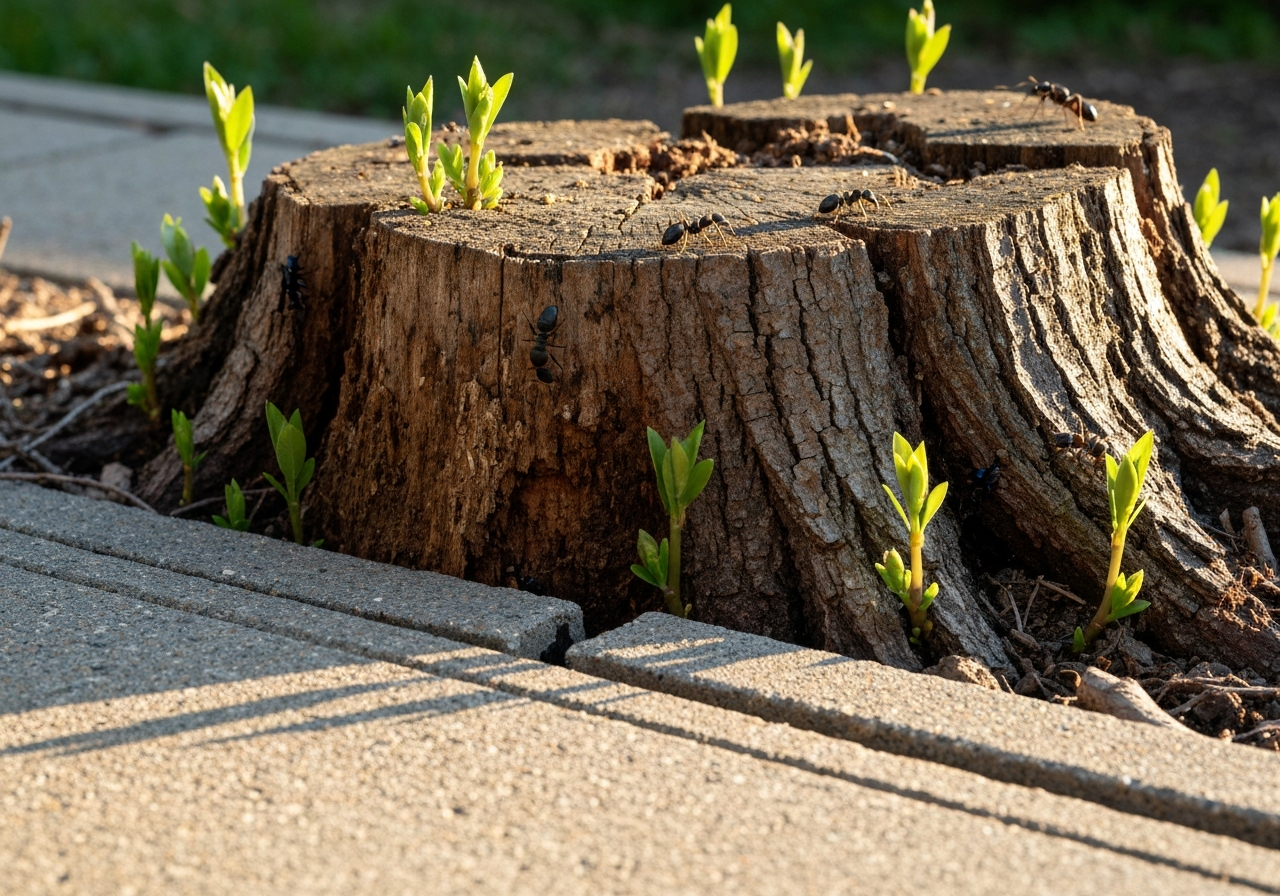
For homeowners in Waxhaw and the greater Charlotte metropolitan area, Clark's Tree Care LLC stands as a trusted partner dedicated to the health and beauty of your trees. Our team combines over five years of experience with a commitment to safety and customer satisfaction, ensuring every job is completed with precision and care. We are fully insured and our crews are trained in the latest arboriculture techniques, adhering to strict safety protocols on every site. Whether you need expert tree removal for a hazardous specimen, meticulous tree trimming and pruning to enhance aesthetics, or efficient stump grinding to reclaim your yard, we provide transparent, competitive pricing with free estimates and no hidden fees. We pride ourselves on being locally owned and operated, understanding the specific needs of our community's landscapes in areas such as Monroe, Matthews, and Charlotte.
Emergency Tree Care: Rapid Response When You Need It Most
Nature can be unpredictable, and when storms strike, trees can become immediate hazards. Emergency situations like fallen trees on homes or vehicles, dangerously hanging limbs, or trees leaning precariously against power lines demand rapid, professional intervention. Clark's Tree Care LLC offers 24/7 emergency tree service to address these critical scenarios swiftly and safely. Our storm damage and emergency services team is equipped to handle urgent tree removal and cleanup, minimizing further risk to your property and family. We can also assist with insurance claims, providing detailed documentation to streamline the process during a stressful time. Identifying signs you need immediate service—such as sudden leaning, large cracks in the trunk, or an uprooted system—is crucial. As The Environmental Blog explains, ignoring these warning signs can lead to massive property damage or personal injury, making professional emergency services an invaluable investment.
Invest in Your Landscape: A Partnership with Clark's Tree Care
A well-maintained landscape with healthy trees is more than just visually appealing; it's a valuable asset that enhances your property's curb appeal and provides environmental benefits for years to come. By applying informed tree care tips for homeowners and partnering with trusted professionals like Clark's Tree Care LLC, you ensure the longevity and vitality of your green investments. Proactive care, from proper pruning and watering to vigilant pest detection and knowing when to call for expert assistance, safeguards your trees against potential threats and maximizes their contribution to your home's beauty and value. Building a relationship with a reliable tree care company means having peace of mind that your trees are in expert hands, contributing to a healthier, safer, and more beautiful outdoor living space.